When quick DIY is reasonable
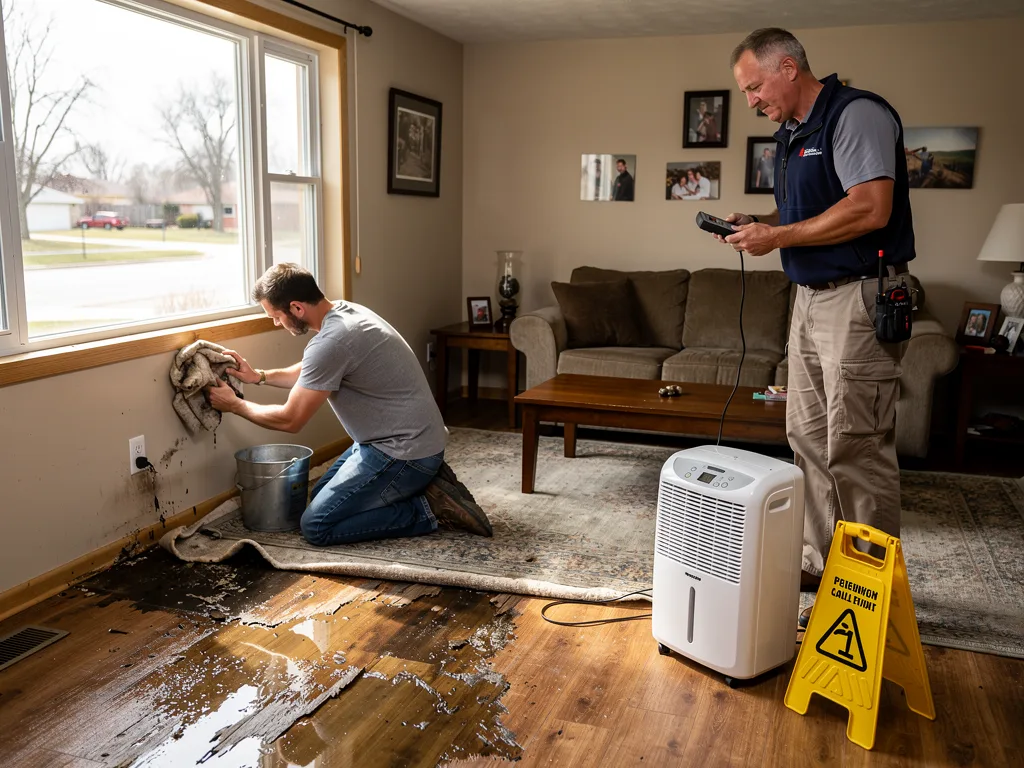
Small, localized spills on non-porous surfaces, like a sink overflow that’s cleaned within an hour, can often be managed by the homeowner. If you catch it within minutes and dry the area with towels and a fan, you may slow down the damage. The key is to act fast and monitor for any growing moisture.
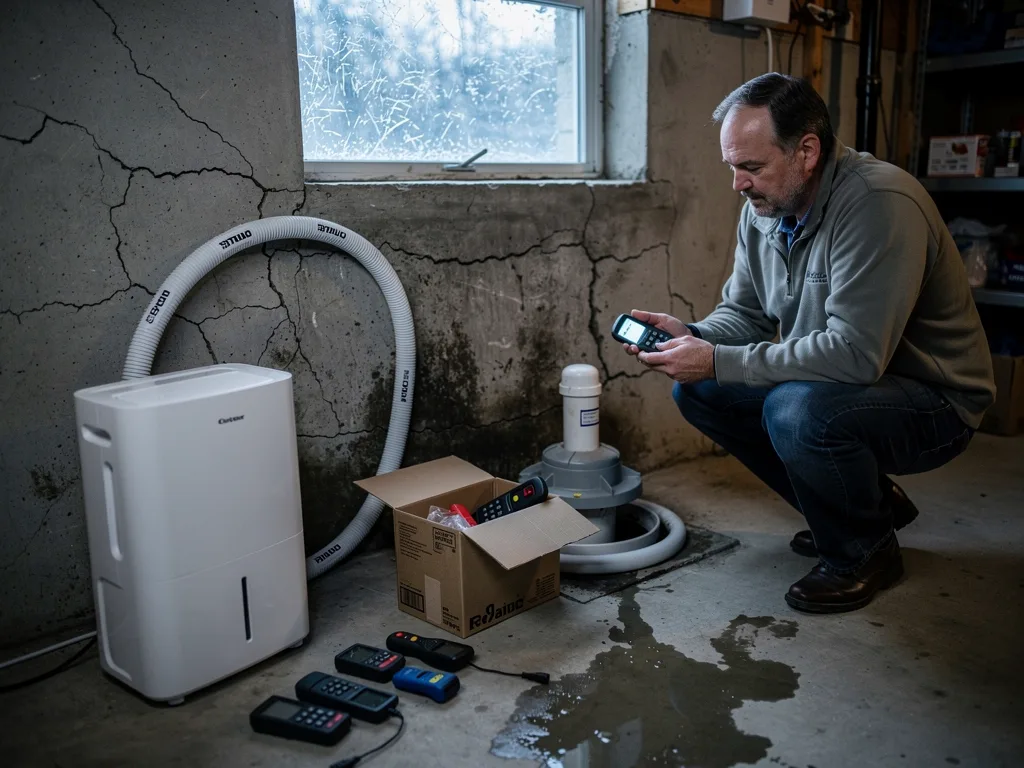
For a controlled cleanup, you can mop up standing water, remove belongings from the area, and open windows if weather allows. Use a dehumidifier in the room to start pulling damp air out of the space. These steps can buy time, but they do not replace a professional assessment when moisture is hidden behind walls or under floors.
When to call a restoration specialist
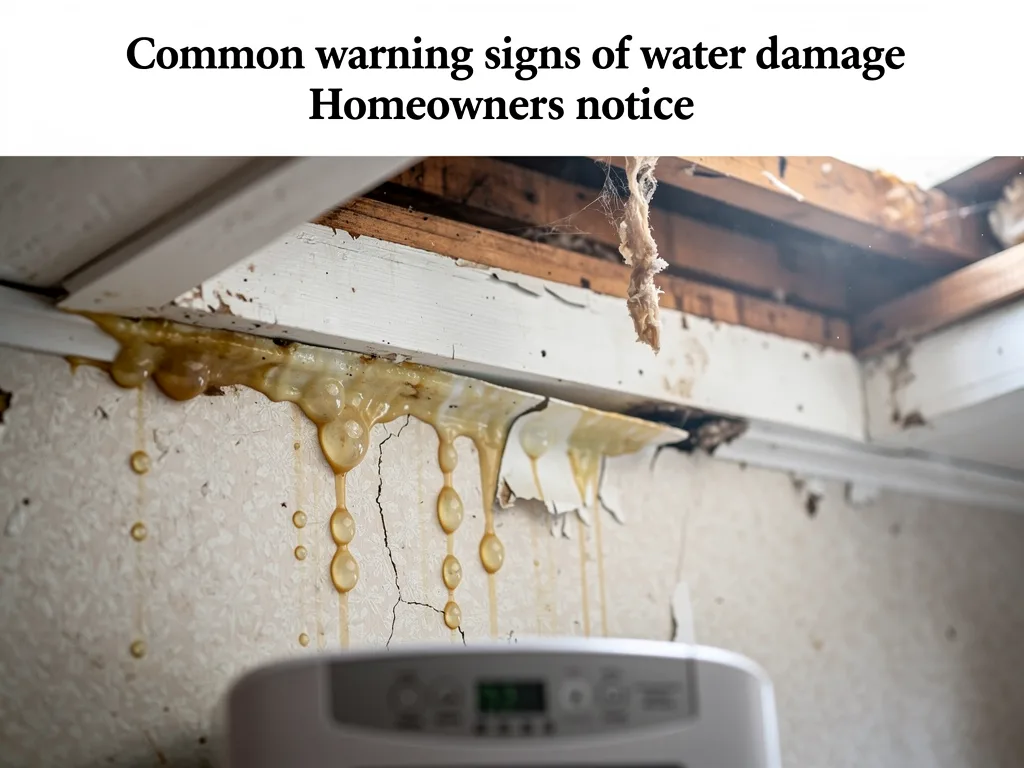
If any of these apply, it’s time to bring in a pro. If the spill involves a significant amount of water, or if you notice damp patches under cabinets, soft spots in flooring, or a persistent musty odor, contact Iowa Water Damage Services. A restoration specialist can determine the extent of moisture behind walls and in subfloors using specialized equipment.
In Iowa, storms and seasonal freeze-thaw cycles can push moisture into the structure, even when you can’t see it. A professional assessment protects your home across the state and helps avoid costly repairs later. If you’re unsure, it’s safer to call and get an expert opinion.
What to expect during a professional assessment
Our restoration specialists start with a thorough walk-through of the affected area and a moisture reading in adjacent spaces. They explain findings in plain terms and offer a transparent plan: containment, drying, and monitoring steps. In many cases, a combination of dehumidification, airflow management, and controlled removal of damaged materials is used to restore the space.
Throughout the process, communications stay clear. You’ll know what equipment is in use, what materials are being removed, and how long each stage should take. We work to minimize disruption while protecting the home and the rest of your belongings.